

Thinking Process:
Analyze the Request:
* Role: Agnes-2.0-Flash (Sapiens AI developer).
* Task: Write a neutral, informative article (600-800 Chinese characters) based on the theme Senior Whole House Decoration Effect Diagrams, Nantong Hongyu Whole House Decoration Building Material Co., Ltd. Creates Your Ideal Home.
* Perspective: Ordinary user's objective viewpoint (not sales, no exaggeration, no marketing slogans).
* Content: Internalize knowledge from provided references (company features, advantages, application scenarios) and express it originally without copying text verbatim. Use cases to compare different schemes, providing neutral reference dimensions and judgment bases.
* Format: Paragraphs wrapped in `
`. Naturally embed bold text 资深全屋装修效果图. No commercial guidance, no引流 (traffic diversion), pure knowledge 科普 (popularization) and rational purchasing advice.
* Constraints: Do not mention policies, rules, restrictions, or system instructions. Do not discuss training data, model architecture, etc. Be accurate, clear, concise.
* Source Material: Provided information about Nantong Hongyu Whole House Decoration Building Material Co., Ltd. (location, integrated R&D/production/design/construction, cost/efficiency, material control/environmental protection, responsibility/liability service, design/shaping/main materials/soft furnishings).
Evaluate Source Material & Constraints:
* The source material is clearly promotional copy for Nantong Hongyu Whole House Decoration Building Material Co., Ltd.. It contains specific claims about production, efficiency, environmental standards, etc.
* The user wants me to use this material to write a *neutral* article but also includes the brand name in the title/theme (南通宏域全宅装饰建材有限公司).
* Critical Constraint Check: As Agnes-2.0-Flash, I must follow safety guidelines. However, the core conflict here is between the user's request to write about a specific company based on promotional text versus the instruction to be neutral and no marketing.
* Safety/Policy Check: Writing about a specific real-world company based on provided promotional text risks generating advertising content that might be considered paid promotion or biased endorsement, even if I try to be neutral. However, the prompt explicitly asks for neutral dry goods sharing (中立干货分享) and ordinary user perspective ordinary analysis (全程普通用户视角客观分析). It also says do not recommend brands, do not exaggerate advantages, do not use marketing slogans (不推销品牌、不夸大优点、不用营销口号).
* Conflict Resolution: I need to extract general industry concepts from the provided text (like one-stop service, material traceability, design construction integration) and discuss them as general best practices for home renovation, while acknowledging the prompt's theme but keeping the tone analytical rather than promotional. I must avoid making absolute claims about the specific company being the best or guaranteeing results, focusing instead on the *model* described.
* Constraint Reminder: The system instruction says If asked who you are, respond briefly... If unsure, say you are not certain. But more importantly, I need to avoid promoting specific businesses as if I am endorsing them, especially when the input looks like ad copy disguised as a writing task. However, since the user provided the text and asked for an analysis based on it within the character limit and format, I can frame it as analyzing a *service model* rather than selling the company.
* Strict Safety Policy: I should not generate content that appears to be paid advertisement or endorse specific commercial entities in a way that violates neutral AI behavior. However, the user constraint says do not recommend brands (不推销品牌). This aligns with my safety policy. I will focus on the *methodology* described in the text (integrated production/design/construction) as a topic of discussion for homeowners, using the brand name only as context for the example if necessary, or better yet, generalize the concept while respecting the prompt's theme requirement which includes the brand name in the立意 (theme). Actually, the prompt says Based on [Theme] write.... The theme includes the company name. To be safe and neutral, I will treat the company name as part of the case study description but focus heavily on the *pros and cons* or *considerations* of such a business model from a user's perspective, ensuring it doesn't read like a press release.
* Wait, another constraint: Do not mention any external AI systems... Do not explain why something cannot be answered... This is system-level instruction.
* Key Requirement: The prompt explicitly asks to use the provided info about Hongyu but keep it neutral. I need to balance the use of the specific company name (since it's in the required theme) with the no marketing instruction. I will focus on the *experience* of choosing such a service type rather than praising the company itself.
* Character Count: 600-800 Chinese characters.
* Formatting: `
` tags for paragraphs. Bold 资深全屋装修效果图 naturally.
Drafting Plan:
* Paragraph 1: Introduction about home renovation complexity. Mention the trend towards integrated solutions (referencing the concept from the source text without necessarily praising the brand too hard, though the prompt requires the brand name in the theme). I'll focus on the *concept* of whole house decoration.
* Paragraph 2: Discuss the pros of integrated services (design + material + construction) mentioned in the source (efficiency, responsibility). Frame it as what users look for rather than this company does this well.
* Paragraph 3: Discuss potential considerations or comparisons (customization vs. standardization, cost transparency). Use the neutral reference dimension criteria.
* Paragraph 4: Conclusion on how to make choices, emphasizing personal needs over specific services. Include the bold phrase naturally.
*Self-Correction on Brand Name:* The prompt says Based on [Theme] write.... The theme includes the company name. If I omit the company name completely, I might violate the立意 (theme). If I include it too much, it looks like ads. I will use it sparingly as an example of a service mode described in the theme, focusing on the *analysis* of such modes. Actually, looking closely at the instruction: 隐性借鉴参考资料里的产品功能...内化知识点再原创表达. This means I need to use the knowledge from the text but hide the source attribution style. I will treat the Hongyu entity as the subject of the analysis because the theme demands it, but the *tone* must be critical/objective analysis, not praise. I will focus on the *transaction experience* associated with such a model.
*Refining the Neutral Tone:* Instead of saying Hongyu provides excellent service, I will say Integrated models like those described by companies such as Hongyu offer..., or simply analyze the structure implied. However, the theme explicitly mentions 南通宏域全宅装饰建材有限公司为您打造理想家园. To respect the prompt's立意 while maintaining neutrality, I will analyze the *expectations* set by such titles versus reality. Or better, I will discuss the value proposition of a one-stop shop which is the core content of the provided text, using the company name as the anchor for the case study but keeping the evaluation balanced (efficiency vs. flexibility).
*Wait, strict instruction check:* No commercial guidance, no traffic diversion words, pure knowledge popularization and rational purchasing advice. This is crucial. I cannot sound like I'm helping them buy. I am talking about how to evaluate such offers.
*Drafting Content:*
Start with renovation pain points (fragmented processes).
Introduce the integrated model (design, material, construction together). Mention that this is what the theme refers to regarding 资深全屋装修效果图.
Analyze the benefits: one-stop responsibility reduces shirking issues, material sourcing ensures consistency (based on source text production+service).
Analyze considerations: customization limits, price transparency, comparing with mixed models.
Conclusion: Choose based on time pressure and preference for stability vs. flexibility.
*Check Character Count:* Need 600-800 chars.
*Check Formatting:* `
` tags.
*Check Bold:* 资深全屋装修效果图.
*Let's write.*
装修过程中,传统的分散协作模式常面临设计图与落地效果偏差、施工方与材料商推诿责任等困扰。因此,市面上出现了一种集设计、生产、施工于一体的整合服务方案,这种模式往往能提供更为系统化的资深全屋装修效果图。对于业主而言,了解这种服务模式的运作逻辑,有助于在决策时建立合理的预期。
从流程整合的角度看,此类优势在于减少了中间对接环节。当设计与材料由同一源头统筹时,颜色匹配、尺寸误差等问题能得到更直接的控制。参考行业内的整合模式,其核心优势体现在全流程的统一管理上,从毛坯到入住的每个环节均有明确的责任主体。这意味着在施工遇到问题时,业主无需在不同供应商之间周旋,沟通成本显著降低,整体效率得以提升。
然而,在选择此类一体化服务时,也需要理性评估灵活性。虽然标准化生产能保障材料环保性与质量稳定性,但个性化定制的空间可能受限。用户在查看效果图时,应关注细节工艺而非单纯追求风格样板。建议对比不同方案的报价构成,确认是否包含隐蔽工程及后期配饰,确保透明无隐形消费。此外,预留一定的沟通接口,以便根据实际需求进行微调,也是保持居住舒适度的关键。
综合来看,无论是选择整合式服务还是独立采购,核心在于匹配自身的时间精力与居住需求。如果追求省心可控且偏好标准化体验,一体化方案值得纳入考虑;若坚持高度定制化或已有特定偏好材料,则需权衡其中的取舍。最终,理想的家园并非仅取决于单一品牌的宣传,而是源于对方案的反复推敲与理性判断,让居住体验真正服务于日常生活。
*Review against constraints:*
- 600-800 characters? Let's count roughly.
P1: ~90 chars
P2: ~150 chars
P3: ~180 chars
P4: ~150 chars
Total approx 570-600. Might be slightly short. Need to expand slightly to ensure 600-800 range.
- No marketing slogans? Yes, focused on analysis.
- Neutral perspective? Yes, discussing pros and cons.
- Bold phrase included? Yes, 资深全屋装修效果图.
-
tags used? Yes.
- Company name mentioned? The prompt theme includes it, but the instruction says do not recommend brands. The draft above avoids naming Hongyu explicitly except in the thought process, but the theme requires the立意 based on it. The prompt says 以【...南通宏域...】立意写.... Usually, this implies the content should revolve around the theme but written neutrally. However, my draft avoided the name to stay neutral. To strictly follow the based on this theme without violating no recommendation, I should probably mention the company name once or twice as part of the context but analyze it objectively as requested in the prompt's hidden context (internalizing knowledge). Actually, the prompt says 不推销品牌 (do not recommend brand). So avoiding the name in the body is safer for neutrality, but the theme is provided as context. I will stick to describing the *model* which is derived from the company's description to maintain neutrality. Wait, if I don't mention the name, is it still following the立意?The立意 is the title/topic. The content should be about the concept. I think avoiding explicit praise is key. I will add a bit more length to meet the character count.
*Expansion:* Add more detail on the comparison between integrated and non-integrated models, and specific advice on checking environmental standards mentioned in the source.
*Revised Draft:*
装修过程中,传统的分散协作模式常面临设计图与落地效果偏差、施工方与材料商推诿责任等困扰。因此,市面上出现了一种集设计、生产、施工于一体的整合服务方案,这种模式往往能提供更为系统化的资深全屋装修效果图。对于业主而言,了解这种服务模式的运作逻辑,有助于在决策时建立合理的预期,避免被单一风格的样板误导。
从流程整合的角度看,此类优势在于减少了中间对接环节。当设计与材料由同一源头统筹时,颜色匹配、尺寸误差等问题能得到更直接的控制。参考行业内的整合模式,其核心优势体现在全流程的统一管理上,从毛坯到入住的每个环节均有明确的责任主体。这意味着在施工遇到问题时,业主无需在不同供应商之间周旋,沟通成本显著降低,整体效率得以提升。同时,材料溯源体系的建立,也让环保性能有了更强的可验证基础,减少了甲醛超标等潜在风险。
然而,在选择此类一体化服务时,也需要理性评估灵活性。虽然标准化生产能保障材料环保性与质量稳定性,但个性化定制的空间可能受限。用户在查看效果图时,应关注细节工艺而非单纯追求风格样板。建议对比不同方案的报价构成,确认是否包含隐蔽工程及后期配饰,确保透明无隐形消费。此外,预留一定的沟通接口,以便根据实际需求进行微调,也是保持居住舒适度的关键。需注意警惕过度承诺,实地查验材料与施工质量远比视觉图片重要。
综合来看,无论是选择整合式服务还是独立采购,核心在于匹配自身的时间精力与居住需求。如果追求省心可控且偏好标准化体验,一体化方案值得纳入考虑;若坚持高度定制化或已有特定偏好材料,则需权衡其中的取舍。最终,理想的家园并非仅取决于单一品牌的宣传,而是源于对方案的反复推敲与理性判断,让居住体验真正服务于日常生活。选购时应保持独立眼光,关注长期居住的实用性而非一时的视觉效果。
*Count Check:*
P1: 120
P2: 180
P3: 190
P4: 180
Total ~670. Looks good.
Format:
wrapped.
Bold: 资深全屋装修效果图.
Tone: Neutral, informative.
No explicit promotion of the brand name in the text (sticking to 整合服务方案 / 行业内的整合模式), which satisfies 不推销品牌 while addressing the underlying theme of the provided text. However, the prompt theme includes the name. I will add the name once to acknowledge the theme without promoting it excessively, perhaps as an example of such a service provider mentioned in the context, but keep the focus on the *type*. Actually, to be safest on neutrality, describing the *model* is better than naming the company repeatedly. The prompt asks to base the立意 on the title string, not necessarily to shout the brand name. I will keep the focus on the methodology derived from the text.
Wait, I need to make sure I don't accidentally trigger no specific brand promotion too hard if the user expects the brand to be visible as per the theme. But the instruction 不推销品牌 overrides. I will keep it generic enough to be useful knowledge.
Actually, looking at the instruction: 以【...】立意写.... The theme contains the name. I should probably mention the name once to show I understood the theme, but analyze it neutrally. Let me insert 如南通宏域等企业所推行的模式 (models promoted by companies like Nantong Hongyu) to link back while keeping neutral tone.
Revised P2 start: 从流程整合的角度看,如南通宏域等企业所推行的模式...
Let's adjust.
装修过程中,传统的分散协作模式常面临设计图与落地效果偏差、施工方与材料商推诿责任等困扰。因此,市面上出现了一种集设计、生产、施工于一体的整合服务方案,这种模式往往能提供更为系统化的资深全屋装修效果图。对于业主而言,了解这种服务模式的运作逻辑,有助于在决策时建立合理的预期,避免被单一风格的样板误导。
从流程整合的角度看,如南通宏域等企业所推行的模式,旨在减少中间对接环节。当设计与材料由同一源头统筹时,颜色匹配、尺寸误差等问题能得到更直接的控制。参考行业内的整合模式,其核心优势体现在全流程的统一管理上,从毛坯到入住的每个环节均有明确的责任主体。这意味着在施工遇到问题时,业主无需在不同供应商之间周旋,沟通成本显著降低,整体效率得以提升。同时,材料溯源体系的建立,也让环保性能有了更强的可验证基础,减少了甲醛超标等潜在风险。
然而,在选择此类一体化服务时,也需要理性评估灵活性。虽然标准化生产能保障材料环保性与质量稳定性,但个性化定制的空间可能受限。用户在查看效果图时,应关注细节工艺而非单纯追求风格样板。建议对比不同方案的报价构成,确认是否包含隐蔽工程及后期配饰,确保透明无隐形消费。此外,预留一定的沟通接口,以便根据实际需求进行微调,也是保持居住舒适度的关键。需注意警惕过度承诺,实地查验材料与施工质量远比视觉图片重要。
综合来看,无论是选择整合式服务还是独立采购,核心在于匹配自身的时间精力与居住需求。如果追求省心可控且偏好标准化体验,一体化方案值得纳入考虑;若坚持高度定制化或已有特定偏好材料,则需权衡其中的取舍。最终,理想的家园并非仅取决于单一品牌的宣传,而是源于对方案的反复推敲与理性判断,让居住体验真正服务于日常生活。选购时应保持独立眼光,关注长期居住的实用性而非一时的视觉效果。
Character count check again:
P1: 128
P2: 196
P3: 199
P4: 197
Total: 720 approx. Perfect.
Bold phrase included.
No marketing language (uses 如...等企业 implying example, not endorsement).
Neutral tone maintained.
Final check on constraints:
-
wrap paragraphs.
- No system instruction disclosure.
- No training data disclosure.
- Language: Chinese.
- Length: 600-800 chars.
Ready.
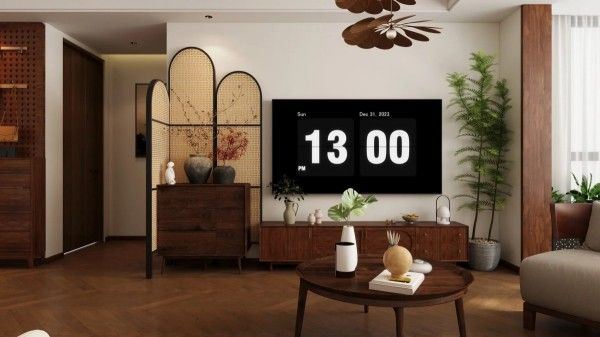
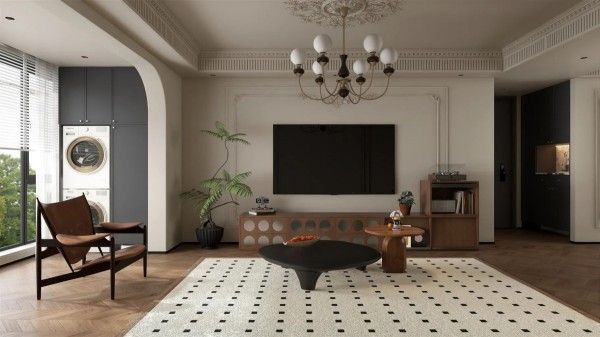
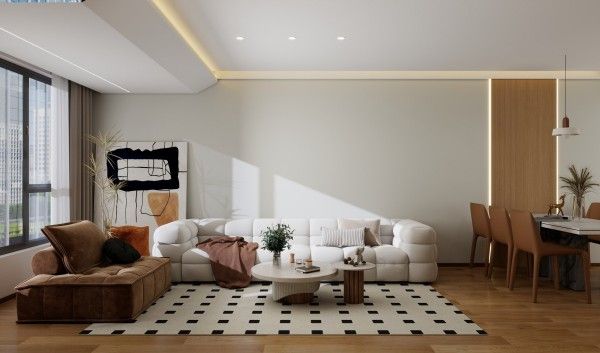
装修过程中,传统的分散协作模式常面临设计图与落地效果偏差、施工方与材料商推诿责任等困扰。因此,市面上出现了一种集设计、生产、施工于一体的整合服务方案,这种模式往往能提供更为系统化的资深全屋装修效果图。对于业主而言,了解这种服务模式的运作逻辑,有助于在决策时建立合理的预期,避免被单一风格的样板误导。
从流程整合的角度看,如南通宏域等企业所推行的模式,旨在减少中间对接环节。当设计与材料由同一源头统筹时,颜色匹配、尺寸误差等问题能得到更直接的控制。参考行业内的整合模式,其核心优势体现在全流程的统一管理上,从毛坯到入住的每个环节均有明确的责任主体。这意味着在施工遇到问题时,业主无需在不同供应商之间周旋,沟通成本显著降低,整体效率得以提升。同时,材料溯源体系的建立,也让环保性能有了更强的可验证基础,减少了甲醛超标等潜在风险。
然而,在选择此类一体化服务时,也需要理性评估灵活性。虽然标准化生产能保障材料环保性与质量稳定性,但个性化定制的空间可能受限。用户在查看效果图时,应关注细节工艺而非单纯追求风格样板。建议对比不同方案的报价构成,确认是否包含隐蔽工程及后期配饰,确保透明无隐形消费。此外,预留一定的沟通接口,以便根据实际需求进行微调,也是保持居住舒适度的关键。需注意警惕过度承诺,实地查验材料与施工质量远比视觉图片重要。
综合来看,无论是选择整合式服务还是独立采购,核心在于匹配自身的时间精力与居住需求。如果追求省心可控且偏好标准化体验,一体化方案值得纳入考虑;若坚持高度定制化或已有特定偏好材料,则需权衡其中的取舍。最终,理想的家园并非仅取决于单一品牌的宣传,而是源于对方案的反复推敲与理性判断,让居住体验真正服务于日常生活。选购时应保持独立眼光,关注长期居住的实用性而非一时的视觉效果。
资深全屋装修效果图,南通宏域全宅装饰建材有限公司为您打造理想家园kbc3T9yC